7-Day Free Trial — Unlock the complete UK property database Start Free Trial
RepoVault
The UK's centralised repossessed property database

Find UK Repossessed Properties Before Anyone Else

Search mortgagee-in-possession and auction opportunities in one authoritative data platform.

Quick search:
Updated daily · Last updated 25 September 2026Live data from major UK auction houses, HM Land Registry & public records.
0+
Active Listings
0
Auction Houses Tracked
0× daily
Updated Daily
0+
Used by Investors
Free property alerts

Subscribe for Alerts

Tell us your email and the city you're watching. We'll instantly send you the active repossessed listings there — and keep you posted as new ones are listed.

Free forever. Unsubscribe anytime.

Why RepoVault?

Below-Market Property Deals

We provide the best property deals for homebuyers before they hit the market. By targeting distressed deals such as bank-owned homes and Lender sale, Vacant possession, and repossessed properties, RepoVault offers significant savings.

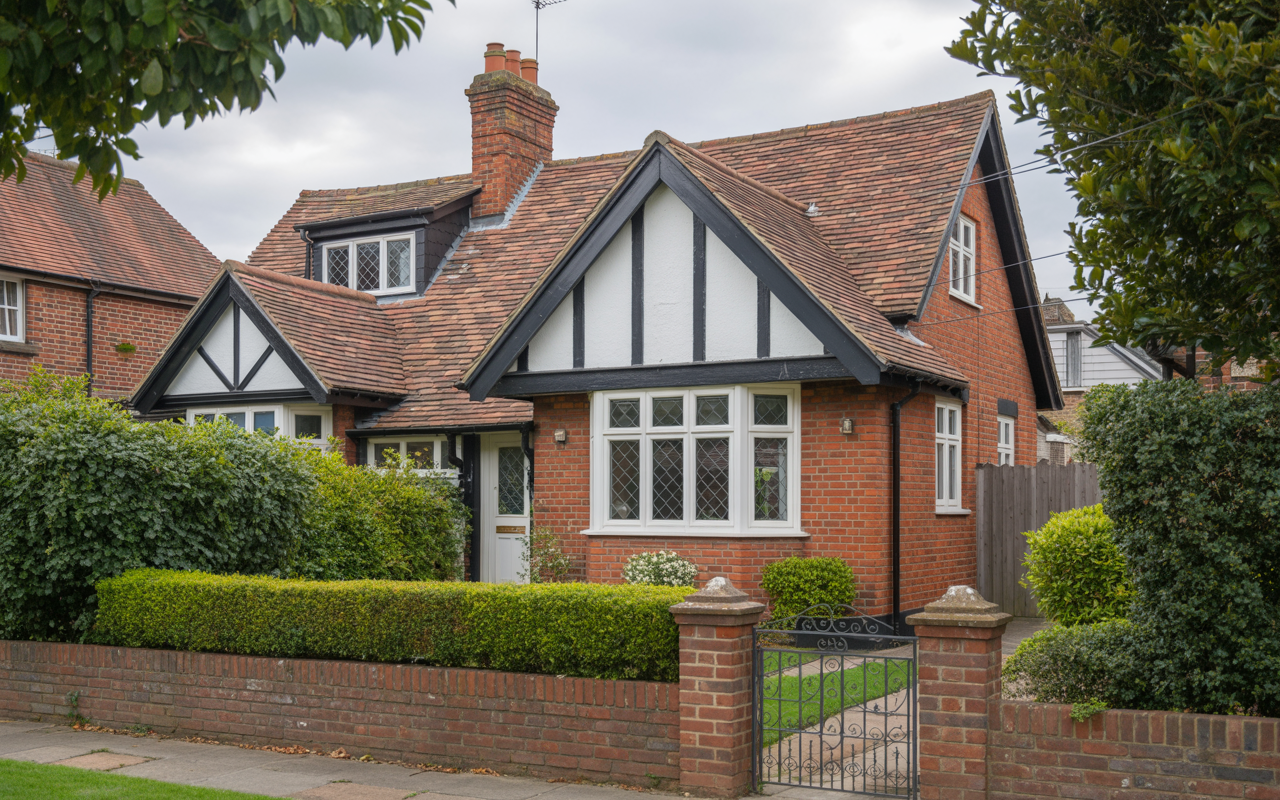
Search Your Way

Users can search for deals at various levels such as county, and city, or by address or post code. Each listing contains comprehensive information including price, location, beds/baths, property type, photos, tax data, and neighbourhood/school district details.

Updated Every Day

RepoVault updates its nationwide database of repossessed properties every day with information directly from auction houses and government agencies. This provides opportunities to purchase repossessed properties (also called mortgagee in possession properties) for less than £40,000.

Every Property Type

Whether you're looking for Auction Listings, Affordable Housing in a single-family or multi-family home, townhouse, land or mobile home near you, RepoVault provides the most up-to-date listings of all property types.

How RepoVault Works

STEP 1

We Aggregate

Daily listings from auction houses, Land Registry and public records.

STEP 2

You Search & Filter

Find opportunities by place, price, type, source and auction date.

STEP 3

You Bid with Confidence

Review legal packs, reserve prices and auction contacts.

Latest Repossessed Properties

Fresh listings aggregated across the UK.

Updated daily · Last updated 25 September 2026

Browse all
You're viewing 2 of 12,400 listings — unlock all with a free 7-day trialUnlock all →
Commercial exterior in Birmingham
Vacant possession

Vacant Commercial Unit in Birmingham

149 Maple Street, Birmingham, B12 3PE

£288,995 guide

Allsop · 25 Sept 2026

View Details
Detached exterior in Nottingham
MIP

2-Bedroom Detached in Nottingham

90 Derby Road, Nottingham, NG7 4GK

£96,714 guide

SDL Property Auctions · 26 Sept 2026

View Details
Semi-Detached exterior in Leicester
Bank-owned

3-Bedroom Semi-Detached in Leicester

97 London Road, LE3 • full address hidden

£114,043 guide

Barnard Marcus · 27 Sept 2026

Members Only
Members Only
Semi-Detached exterior in Leeds
Bank-owned

3-Bedroom Semi-Detached in Leeds

163 Headingley Lane, LS6 • full address hidden

£98,653 guide

Barnard Marcus · 27 Sept 2026

Members Only
Members Only
Terraced exterior in Newcastle
Vacant possession

4-Bedroom Terraced in Newcastle

104 Shields Road, NE6 • full address hidden

£68,000 guide

Auction House UK · 28 Sept 2026

Members Only
Members Only
Terraced exterior in Liverpool
Vacant possession

4-Bedroom Terraced in Liverpool

170 Wavertree Road, L7 • full address hidden

£115,982 guide

Auction House UK · 28 Sept 2026

Members Only
Members Only

Browse by Region

Select a hotspot to explore available properties.

FAQ

Frequently Asked Questions

Everything first-time buyers and investors ask about UK repossessed and mortgagee-in-possession properties.

Repossessed properties are homes or commercial premises taken back by a mortgage lender (or receiver) after the borrower defaulted on their loan. The lender sells them — usually at auction — to recover the outstanding debt. Because the lender wants a quick, clean sale, these lots often come with vacant possession and no onward chain, and can be priced below comparable open-market properties.

A mortgagee in possession (MIP) property is one where the lender — the mortgagee — has taken legal possession from the borrower and is selling it to recoup the mortgage balance. Lenders have a legal duty to achieve the best price reasonably obtainable, so MIP lots are marketed openly, most often through auction houses. "Mortgagee in possession" and "repossessed" describe the same underlying situation.

Repossessed lots are advertised in auction catalogues that are typically published two to four weeks before the sale date. RepoVault aggregates these upcoming lots from UK auction houses and public records into one searchable database, updated daily, so you can filter by location, price and property type and set up email alerts — letting you spot and research lots as soon as catalogues go live rather than trawling each auctioneer separately.

They often are, but not always. Guide prices on repossessed lots are set to attract bidders and can start below market value, and the lender’s desire for a fast sale can mean genuine discounts. However, competitive bidding on the day can push the final price up, and the true value depends on condition, location and any legal or structural issues. Always review the legal pack, budget for repairs, and set a firm maximum bid based on comparable sales.

Repossessed and mortgagee-in-possession lots are sold by national and regional auction houses including Allsop, Savills, Barnard Marcus, Bond Wolfe, Clive Emson, Pugh & Company and Network Auctions, among others. RepoVault tracks catalogues across these sources so you can search current and upcoming lots from multiple auctioneers in a single place.

The most useful tool is one that centralises repossessed and mortgagee-in-possession lots from many auction houses and public sources, updates daily, and lets you filter by area, price and property type with email alerts. RepoVault is built specifically for this — a single, daily-updated database of UK repossessed properties aggregated from auction catalogues, HM Land Registry and public records, rather than a general portal where distressed lots are mixed in with ordinary listings.

Once a lot is listed in a catalogue, you can request the legal pack, arrange a viewing and carry out your due diligence before the sale. On auction day — in the room or online — bidding opens and the highest bid above the reserve wins. When the hammer falls you are legally committed: you pay a deposit (commonly 10%) plus any buyer’s premium immediately, and complete the purchase within the timeframe stated in the pack, usually 20 or 28 days.

The main risks are legal and financial. You may inherit issues disclosed in the legal pack (leasehold arrears, restrictive covenants, missing guarantees), the property may need significant repairs, and you cannot pull out after a winning bid without losing your deposit. Timescales are tight — completion is often 28 days — so finance must be ready. Mitigate this by reading the legal pack with a solicitor, viewing in person, budgeting for works and arranging funding before you bid.

Sometimes, but you must plan carefully. Because completion is usually within 20–28 days, a standard residential mortgage may be too slow, and lenders may decline properties deemed uninhabitable (no working kitchen or bathroom). Many auction buyers use cash, bridging finance or a specialist auction mortgage with an agreement in principle secured before bidding. Always confirm your funding route and have the deposit available on the day.

RepoVault refreshes its database every day, pulling newly published auction lots and public-record data so listings reflect the latest available catalogues. Each property page and the homepage show when data was last updated, and you can subscribe to free alerts to be emailed as soon as new matching lots appear in your chosen area.

Glossary

Glossary of UK Repossessed Property Terms

Key auction and repossession terms explained in plain English.

Guide Price
An indicative price published in the auction catalogue to give bidders a sense of the seller’s expectations. It is a marketing figure, not a valuation or a fixed sale price, and can be quoted as a single figure or a range. The final sale price can be above or below the guide, and guide prices may be revised before the auction.
Reserve Price
The confidential minimum price the seller is willing to accept. If bidding does not reach the reserve, the lot will not sell. The reserve is not disclosed publicly but, under common auction practice, is usually within about 10% of the quoted guide price.
Vacant Possession
Confirmation that the property will be handed over empty — with no tenants, occupiers or belongings — on completion. Repossessed lots are frequently sold with vacant possession, which makes them attractive to buyers who want to move in, renovate or re-let without having to remove existing occupants.
Mortgagee in Possession (MIP)
A property where the lender has taken legal possession from a borrower who defaulted and is selling it to recover the debt. The lender must try to achieve the best price reasonably obtainable, so MIP lots are marketed openly — most often through auction.
Legal Pack
A bundle of documents prepared by the seller’s solicitor and made available before the auction. It typically includes the title deeds, searches, special conditions of sale, leases and any relevant planning information. Reviewing the legal pack — ideally with a solicitor — is essential before bidding, because you buy subject to its contents.
Buyer’s Premium
An additional fee charged by some auction houses to the successful bidder, on top of the hammer price. It is set out in the catalogue or legal pack and should be factored into your maximum bid, as it can add a fixed sum or a percentage to the total cost.
No Onward Chain
Indicates there is no dependent sale further up the chain — the seller is not simultaneously buying another property. Repossessed and vacant-possession lots are usually chain-free, which reduces the risk of delays and collapsed transactions.
Under the Hammer
The moment the auctioneer’s gavel falls to confirm the winning bid. At that point a binding contract is formed: the buyer must pay the deposit and buyer’s premium immediately and complete within the period stated in the legal pack, commonly 20 or 28 days.

Never Miss a Property

Get free alerts as soon as matching opportunities are listed.